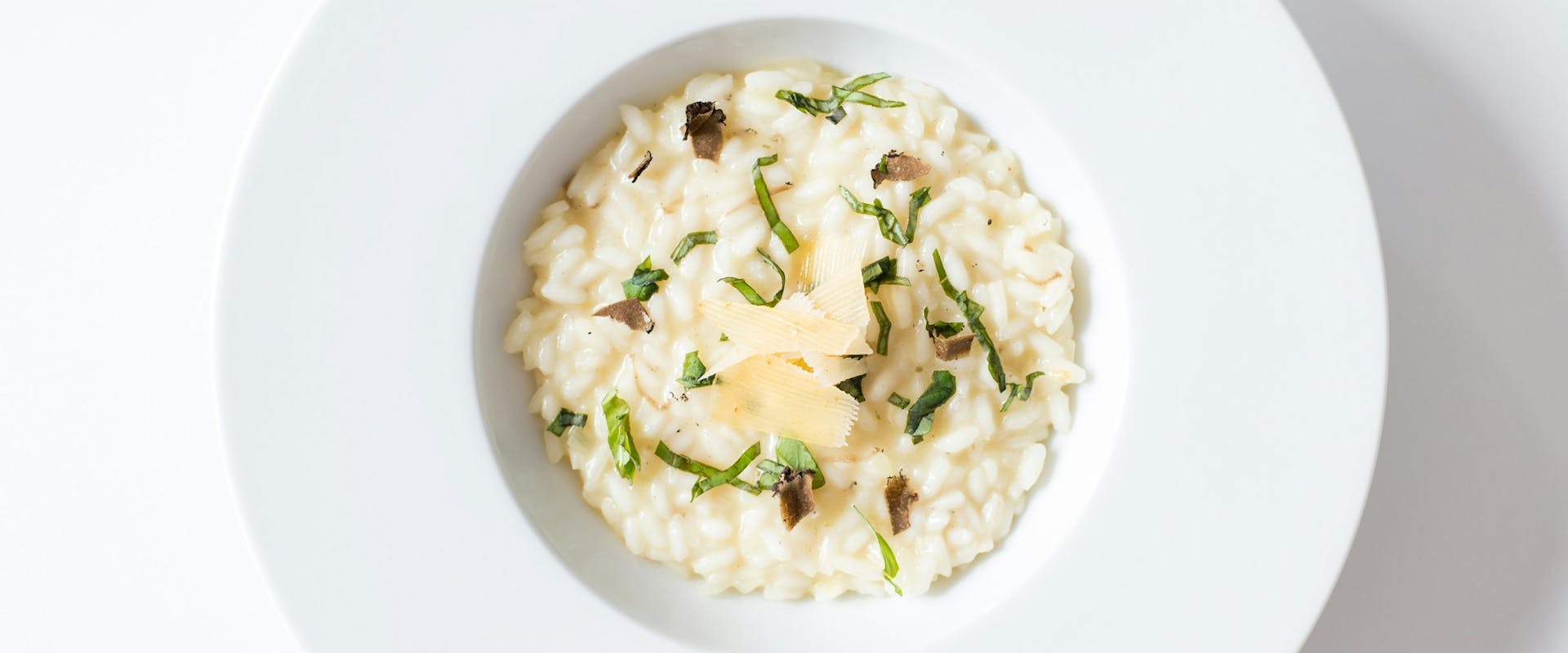

Risotto alla Milanese: Milan's Classic Saffron Rice Dish
Milan's signature dish is deceptively simple—arborio rice, saffron, butter, and bone marrow. Yet perfecting authentic risotto alla Milanese takes a lifetime of practice and the finest Italian ingredients.
The History of Risotto alla Milanese
Legend has it that risotto alla Milanese was born in 1574 when a young glassmaker's apprentice, known for adding saffron to everything, accidentally dropped some into a rice dish at a wedding feast. The golden-hued rice was such a hit that it became Milan's defining dish.
Whether the legend is true or not, saffron has been traded in Milan since medieval times, and the combination of creamy rice with this precious spice represents Lombardy cuisine at its finest.
Love exploring food markets? See how Barcelona showcases its regional ingredients at La Boqueria Market.
Finding the Best Risotto in Milan
After visiting a dozen trattorias across Milan, I found the most authentic version at a tiny family-run spot near the Navigli canals. The rice had the perfect all'onda wave—that flowing, creamy consistency that marks a masterfully prepared risotto—and the saffron was locally sourced from Sardinia.
Top Milan trattorias for risotto alla Milanese:
- Classic neighborhood spots near the Navigli canals
- Historic restaurants in the Brera district
- Family-run trattorias that have served the dish for generations
Authentic Risotto alla Milanese Secrets
After learning from Italian nonnas and professional chefs, here are the essential techniques:
- Use carnaroli rice - It holds its shape better than arborio and creates superior creaminess
- Toast the rice first - This creates a nutty flavor base and helps the grains absorb broth evenly
- Add saffron early - Let it bloom in warm broth before adding to release maximum flavor and color
- Finish with cold butter - The mantecatura creates creaminess without cream
- Serve immediately - Risotto waits for no one; the perfect consistency lasts only minutes
The Importance of Quality Saffron
Saffron is the heart of risotto alla Milanese. Italian cooks prefer saffron threads from Sardinia or, for the ultimate luxury, from the Navelli region in Abruzzo. Never use pre-ground saffron powder—the difference in flavor is enormous.
Exploring Asian noodle cultures? Compare Italian rice mastery to Japan's noodle obsession in our Tokyo Ramen Guide.
What to Pair with Risotto alla Milanese
Traditionally, risotto alla Milanese accompanies ossobuco—braised veal shanks—creating the classic Milanese combination. The rich, gelatinous sauce from the ossobuco mingles with the saffron rice in perfect harmony.
For wine, choose a medium-bodied white from Lombardy or a light red like Barbera d'Asti.
A Dish Worth the Journey
The best risotto I tasted cost just €12 and came with a story from the 80-year-old nonna who still makes it fresh each day. She learned from her mother, who learned from hers—a recipe passed down through generations.
That's what makes Italian regional cuisine special. It's not just about the ingredients or technique; it's about the people who dedicate their lives to perfecting a single dish.
Street food adventures? Experience a different noodle culture with our Bangkok Pad Thai Street Food Quest.